LMV Driving Licence
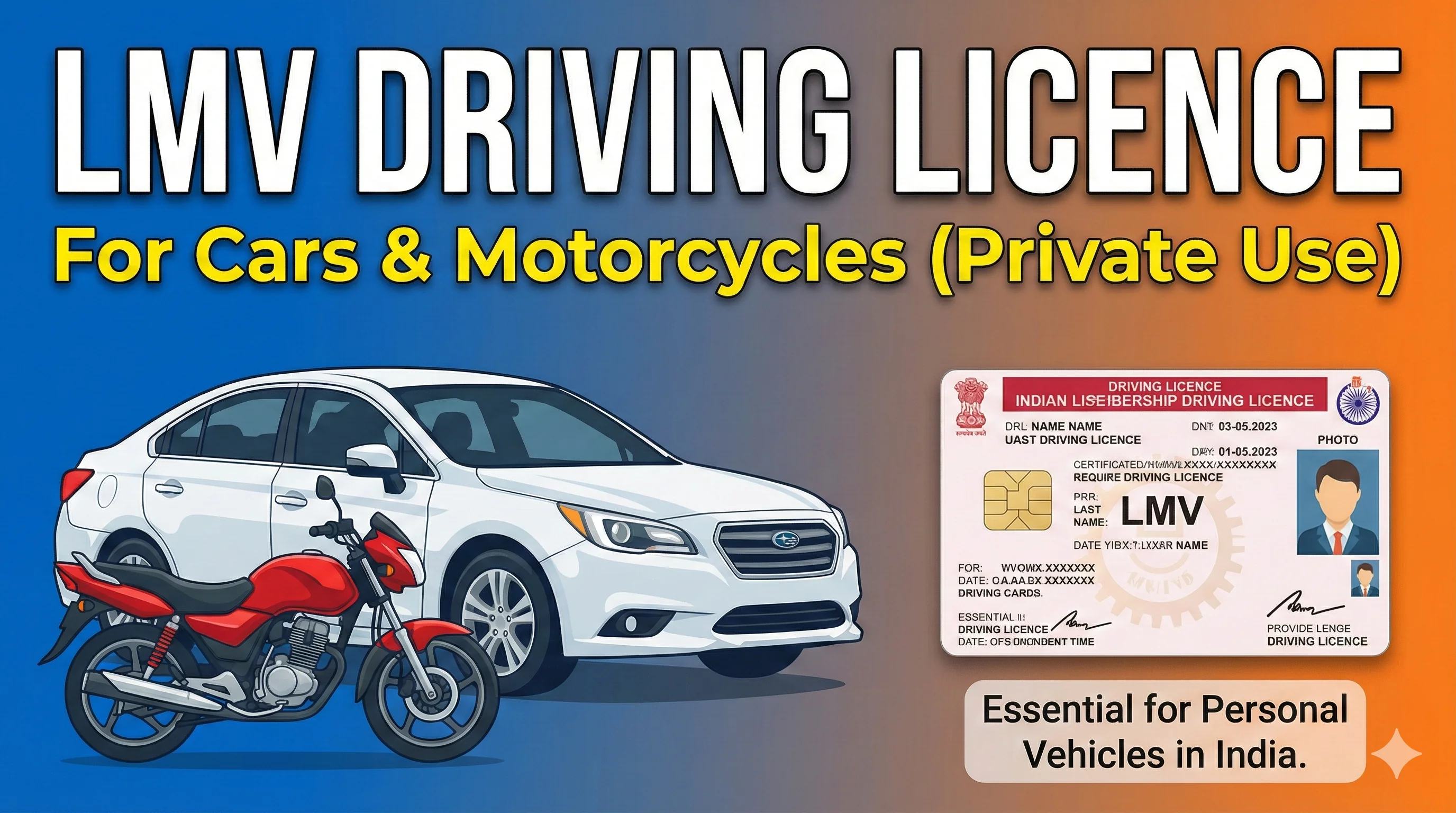
A Light Motor Vehicle (LMV) driving licence is a type of driving licence that permits the holder to operate light motor vehicles on public roads. LMV vehicles include cars, motorcycles, and other small vehicles that typically do not exceed a certain weight limit. In India, obtaining an LMV driving licence is an essential requirement for those looking to drive personal vehicles such as cars, scooters, and motorcycles.
Whether you are applying for an LMV driving licence for the first time, need to understand the requirements, or want to know about the application process, fees, and documents, this comprehensive guide will cover everything you need to know. You can also create driving licence download pdf.
A Light Motor Vehicle (LMV) driving licence is a type of driving licence that permits the holder to operate light motor vehicles on public roads. LMV vehicles include cars, motorcycles, and other small vehicles that typically do not exceed a certain weight limit. In India, obtaining an LMV driving licence is an essential requirement for those looking to drive personal vehicles such as cars, scooters, and motorcycles.
Whether you are applying for an LMV driving licence for the first time, need to understand the requirements, or want to know about the application process, fees, and documents, this comprehensive guide will cover everything you need to know. You can also create driving licence download pdf.
What is LMV in Driving Licence? Full Form and Meaning
LMV stands for Light Motor Vehicle, which refers to any motor vehicle that has a gross weight of not more than 7,500 kilograms. In India, this includes vehicles like:
- Cars (sedans, hatchbacks, etc.)
- Motorcycles
- Scooters
- Small passenger vehicles
LMV Full Form in Driving Licence:
The full form of LMV in a driving licence is Light Motor Vehicle. This designation allows you to operate all types of light vehicles. It is commonly required for individuals who wish to drive vehicles like personal cars or two-wheelers.
LMV Meaning in Driving Licence:
The term LMV in the context of a driving licence refers to vehicles that fall within the category of light motor vehicles, i.e., they are used for private, non-commercial purposes and have a maximum weight of 7,500 kg.
Know more about mcwg in driving licence
Types of LMV Licences
There are different types of LMV driving licences based on the specific vehicle you wish to drive. These include:
LMV (Non-Transport) Licence:
This is a licence to drive a private vehicle such as cars and motorcycles. This category does not permit the holder to drive commercial vehicles.
LMV (Transport) Licence:
This licence allows the holder to operate light motor vehicles used for commercial purposes, such as taxis, trucks, and delivery vehicles.
Difference Between LMV (Transport) and LMV (Non-Transport)
LMV (Non-Transport) licences are issued for personal vehicle use and do not allow commercial driving.
LMV (Transport) licences are required for driving light commercial vehicles such as taxis or delivery vehicles and may involve additional eligibility and testing.
How to Apply for an LMV Driving Licence
Step 1: Eligibility Criteria
To apply for an LMV driving licence, the applicant must meet the following criteria:
- Age: The minimum age requirement is 18 years for applying for an LMV (non-transport) licence.
- Learner's Licence: The applicant must have a valid learner's licence for at least 30 days before applying for the permanent LMV driving licence.Know about apply learning driving licence.
Step 2: Document Requirements
The documents required for the LMV driving licence application are:
- Proof of Age: Birth certificate, passport, or 10th-grade mark sheet.
- Proof of Address: Aadhar card, voter ID, or utility bill.
- Learner's Licence: A copy of the learner's licence.
- Medical Certificate: Required for drivers applying for a commercial LMV licence.
Step 3: Application Process (Online and Offline)
You can apply for the LMV driving licence through the following methods:
Online Application (via Parivahan or mParivahan):
- Visit the official Parivahan Sewa portal or use the mParivahan app.
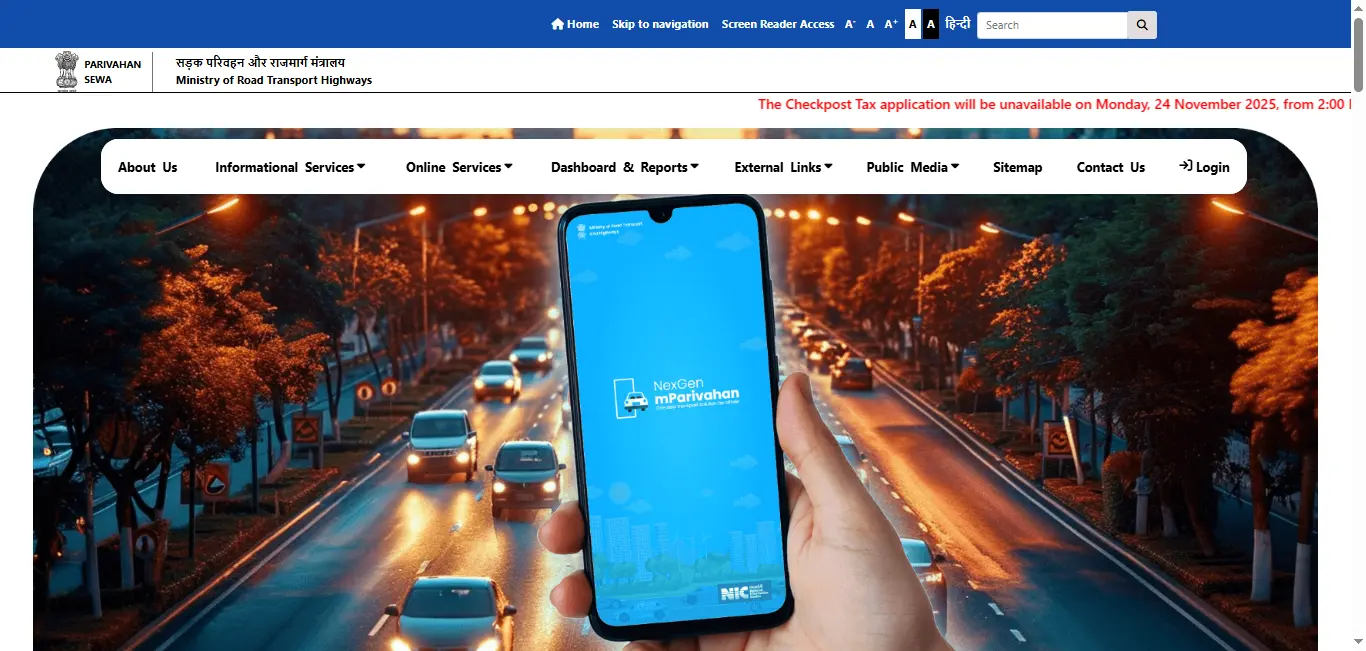
- Fill in the driving licence application form and upload the necessary documents.
- Pay the application fees online.
- Schedule your driving test appointment.
Offline Application (at the RTO):
- Visit your nearest Regional Transport Office (RTO).
- Fill out the application form and submit the documents.
- Pay the applicable fees at the counter and schedule your driving test.
Step 4: Driving Test
After your application is processed, you will need to appear for the LMV driving test. The test typically consists of:
- A theoretical exam (based on road safety rules).
- A practical driving test (to demonstrate your driving skills).
If you pass the test, your mParivahan permanent LMV driving licence will be issued.
Common Reasons LMV Licence Applications Get Delayed
Applications may face delays due to:
- Incorrect or incomplete documents
- Failure in the driving test
- Mismatch between learner's licence and application details
- High workload at the RTO
Applicants should check status updates only on official portals.
LMV Driving Licence Fees
The fees for applying for an LMV driving licence vary depending on your location and type of application. The general fees are as follows:
- Application Fee: ₹200 to ₹500 (varies by state).
- Learner's Licence Fee: ₹150 to ₹300.
- Driving Test Fee: ₹100 to ₹200.
- Permanent Driving Licence Fee: ₹200 to ₹500.
- Duplicate Licence Fee: ₹300 to ₹500 (if required).
Note: Additional charges may apply for commercial vehicle applications or if you are applying for a transport licence.
LMV Licence Holder and Transport Vehicle
An LMV licence holder can drive both private and non-commercial vehicles like cars, motorcycles, and scooters. However, to drive a transport vehicle (e.g., trucks, taxis, or delivery vehicles), a separate commercial driving licence or transport LMV licence is required. It's essential to distinguish between the LMV (Non-Transport) licence and LMV (Transport) licence.
LMV and MCWG in Driving Licence
- MCWG stands for Motorcycle with Gear, and it is a category for motorcycles with a gear system.
- An LMV licence holder may also be eligible to drive motorcycles without gear, provided they meet the requirements.
- If you want to drive both an LMV and MCWG, you may need to take both tests and ensure your licence reflects both categories.
LMV Driving Licence Status and Verification
You can check the LMV driving licence status and verify the application status online through the Parivahan or mParivahan portals. Simply enter your application number or DL number to track the status of your licence.
Parivahan Sewa and Sarathi Parivahan are the official portals that allow you to check the status of your LMV driving licence, renew your licence, or apply for a duplicate licence.
Conclusion: Why You Should Apply for an LMV Driving Licence
An LMV driving licence is an essential document for anyone who wants to legally drive personal vehicles such as cars and motorcycles. Whether you are applying for a new licence or need to renew an existing one, understanding the LMV driving licence application process, fees, and status checks will ensure that you are prepared.
By using Parivahan, Sarathi Parivahan, and the mParivahan app, you can complete the application, verification, and renewal process seamlessly online. Stay safe on the roads by applying for your LMV driving licence today!
Driving Licence Related Services On Parivahan Sewa
Frequently Asked Questions
1.What is the full form of LMV in a driving licence?
The full form of LMV is Light Motor Vehicle. It refers to vehicles like cars, motorcycles, and other non-commercial vehicles.
2.Can I drive a transport vehicle with an LMV licence?
No, a standard LMV licence only allows you to drive personal vehicles. To drive a transport vehicle, you need a commercial licence.
3.How to apply for an LMV driving licence online?
You can apply online through the Parivahan Sewa portal or the mParivahan app. Fill in your details, submit required documents, and schedule your driving test.
4.How much is the fee for LMV driving licence?
The fee for an LMV driving licence varies by state but generally ranges from ₹200 to ₹500, depending on the type of application and services.
5.What is the process for LMV driving licence renewal?
To renew your LMV driving licence, visit the Parivahan portal, check your renewal eligibility, and follow the online procedure. You may also need to appear for a medical test if required.